
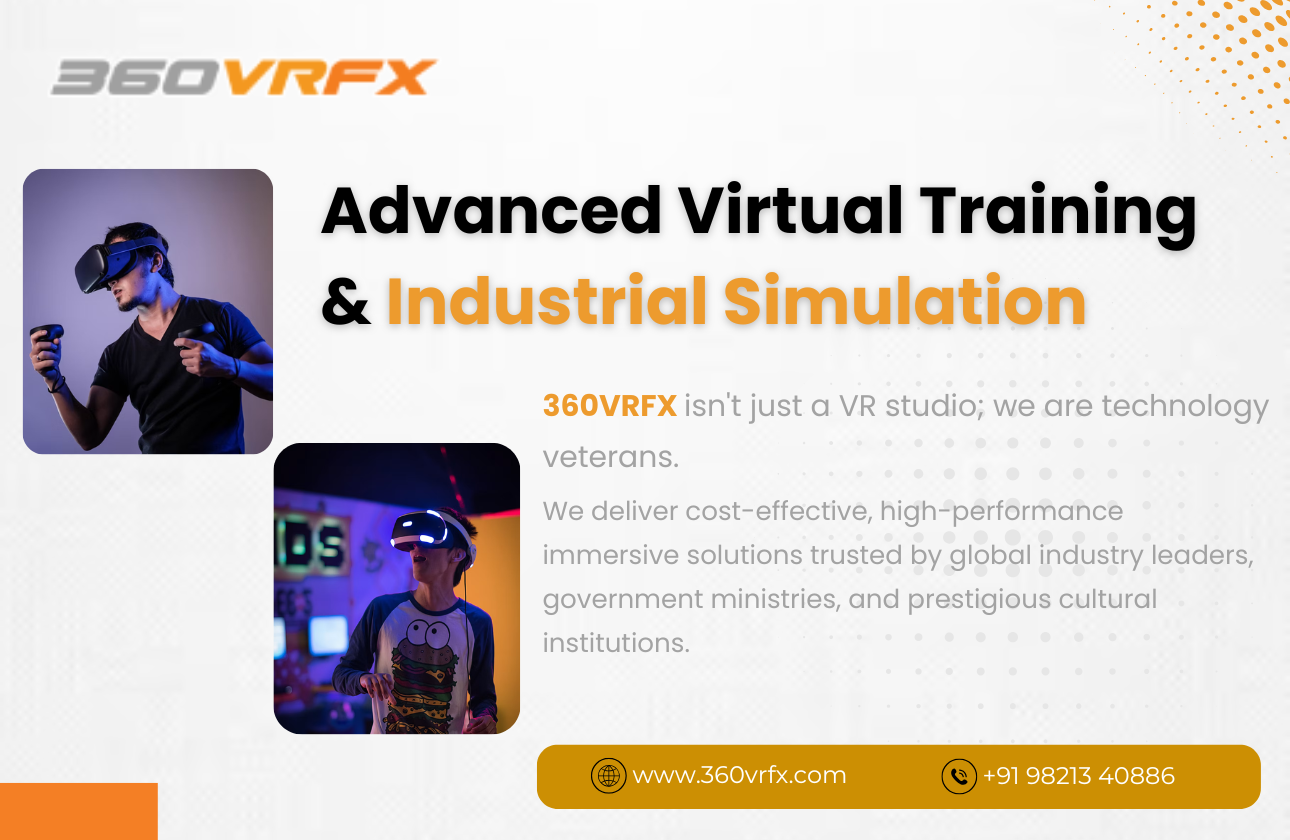
Introduction to VR for Product Demos
Virtual Reality (VR) has transformed the way businesses approach product demonstrations, offering immersive and interactive experiences that captivate customers. By leveraging VR technology, companies can create realistic simulations that allow customers to explore products as if they were physically present. This innovative approach not only enhances customer engagement but also provides a comprehensive understanding of the product features and benefits. For an in-depth understanding of how VR is being utilized for product demos, explore Unlocking the Potential of VR for Product Demos.
Benefits of VR in Product Demonstrations
Using VR for product demos offers numerous benefits, including the ability to showcase complex products in a simplified manner. Customers can interact with virtual models, manipulate components, and visualize product performance in real-world scenarios. This immersive experience enhances customer satisfaction and decision-making, leading to increased sales conversion rates. Furthermore, VR demos can be accessed remotely, allowing businesses to reach a wider audience without the constraints of physical location. For a comprehensive guide on the power of VR in product demonstrations, visit The Power of VR for Product Demos.
Enhancing Customer Engagement with VR
VR technology significantly enhances customer engagement by providing an interactive platform where users can actively participate in the demonstration process. This level of engagement fosters a deeper connection with the product, as customers can explore and interact with features at their own pace. The immersive nature of VR captures attention and leaves a lasting impression, ultimately influencing purchasing decisions. For further insights into how VR enhances brand promotion and customer engagement, check out Exploring the Benefits of VR for Brand Promotion.
Cost-Effectiveness of VR Demos
Implementing VR for product demos can be cost-effective in the long run. While the initial setup may require investment in VR equipment and software development, the ability to conduct multiple demonstrations without the need for physical products reduces overall costs. Additionally, VR demos eliminate travel expenses and logistical challenges associated with traditional product showcases. This makes VR a sustainable option for businesses aiming to optimize their marketing budget. Explore how VR is transforming industries cost-effectively by reading How VR is Revolutionizing the Manufacturing Industry.
Future of VR in Product Demonstrations
The future of VR in product demonstrations looks promising as technology continues to evolve. With advancements in VR hardware and software, businesses can create even more realistic and engaging experiences for their customers. The integration of augmented reality (AR) and artificial intelligence (AI) with VR is expected to further enhance the capabilities of product demos, offering personalized experiences tailored to individual customer preferences. Stay updated with the latest trends in VR and its potential impact on various industries by reading Exploring the Future of VR for Exhibitions.
FAQs
1. What is VR for product demos?
VR for product demos involves using virtual reality technology to create immersive and interactive demonstrations of products, allowing customers to explore and engage with them in a virtual environment.
2. How does VR enhance customer experience in product demos?
VR enhances customer experience by providing an interactive and engaging platform where customers can explore product features, interact with virtual models, and visualize performance in real-world scenarios.
3. Is VR cost-effective for product demonstrations?
Yes, VR can be cost-effective as it reduces the need for physical product showcases and travel expenses, making it a sustainable option for businesses.
4. What are the future prospects of VR in product demos?
The future of VR in product demos is promising with advancements in VR technology, integration of AR and AI, and the ability to offer personalized experiences for customers.
5. How can businesses implement VR for product demos?
Businesses can implement VR for product demos by investing in VR equipment and software development, creating virtual models of their products, and offering interactive and immersive experiences to their customers.